
Mole Control & Trapping Service
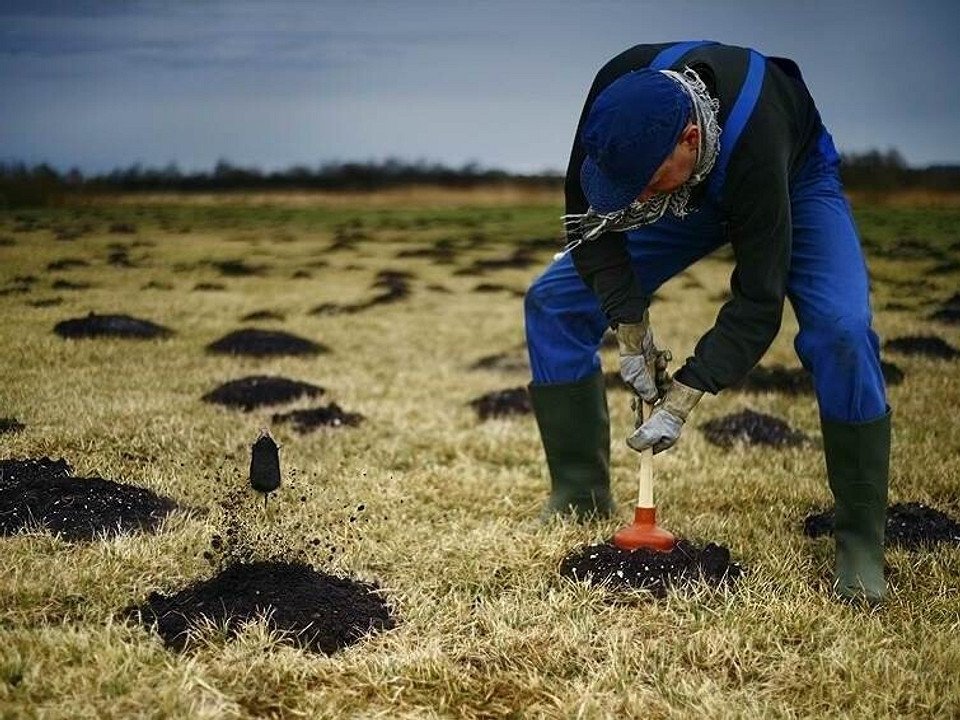
Fresh molehills across a lawn or paddock mean an active run underneath. Traditional trapping, no poisons, traps checked properly — and the hills cleared when we’re done.
How We Deal With Moles
There’s no legal poison for moles in the UK — strychnine went years ago — so anyone offering to gas or bait them is either using something they shouldn’t or selling you smoke pellets that don’t work. Trapping is the only reliable method, and it’s a craft rather than a product. Where the trap goes matters more than which trap it is.
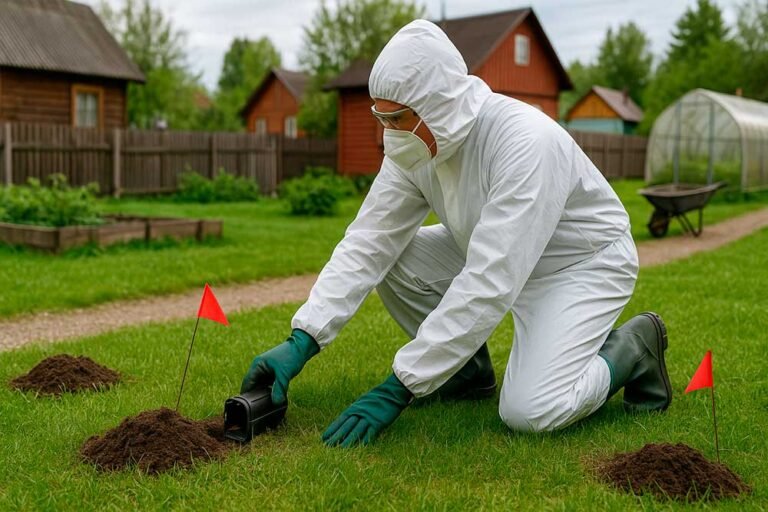
A mole tunnel system can run 50 metres or more, and the hills tell you very little about where the animal actually spends its time. We read the run, find the main travelling tunnels rather than the surface feeding ones, and set there. Traps get checked at proper intervals, and we clear the molehills before we leave so you can see whether anything new appears.
One lawn usually means one mole — they’re solitary and territorial. If new hills appear a fortnight after we’ve finished, that’s a different animal moving into the vacant ground, not the same one coming back. Properties backing onto fields see this more often, and we’ll be straight with you about it.
Every mole job includes:
- Can't I just use smoke pellets or sonic repellers?
- Traps set in main tunnels and checked regularly
- No poisons or gas — trapping only
- Molehills cleared and levelled when finished
- Fixed price agreed before we start
- Advice on lawn repair and reseeding
Wasp nest removal FAQs
You can buy both, and neither works reliably. Smoke pellets vent out of a tunnel system that runs for tens of metres and has multiple exits. Sonic spikes tend to move the mole a few metres away rather than off the property, and a lot of them end up back where they started once the batteries go. There's no legal poison for moles in the UK, so trapping is what's left.
Usually a few days rather than a single visit. Traps go in, then get checked at proper intervals — moles work in shifts through the day and night, and it's rarely instant. Most gardens are clear within a week. A paddock or a larger site with several animals takes longer, and we'll give you a realistic timescale after the first look.
Properly set traps are quick, which is why placement matters. The cruelty in mole work comes from badly set traps that injure rather than kill, and from traps left unchecked for days. We use approved designs, set them in main runs, and check them on a proper schedule. If you'd rather not have trapping done at all, say so when you call — we'd rather tell you upfront that we can't help than take the job.
The same mole won't. But an empty tunnel system is prime real estate, and if you back onto fields or an unmanaged neighbouring garden, another animal can move in within a few weeks. That's a new job rather than a failed one. Properties with a persistent problem are usually better off on an annual arrangement than paying per mole.
We clear and level the hills before we leave. The soil itself is fine — it's fine tilth and can be spread on beds or borders rather than binned. Bare patches usually need reseeding in spring or early autumn. If the lawn's badly churned we'll tell you what's worth doing and what'll recover on its own.
Why people call us
- Fixed price agreed on the phone
- Same-day slots before midday
- Follow-up visit as standard
- 30-day re-treatment guarantee

Call us Now:
+61 3 8376 6284
Not sure if it's moles?
Send us a photo of the hills and the lawn and we'll tell you what you're looking at before anyone comes out. Same day, and there's no charge for that.
Moles, voles and badgers all dig, and they all need dealing with differently.