
Bed Bugs Treatment
Bites in a line, small dark spots on the mattress seam. We treat the room properly, in unmarked vehicles, and nobody needs to know we’ve been.
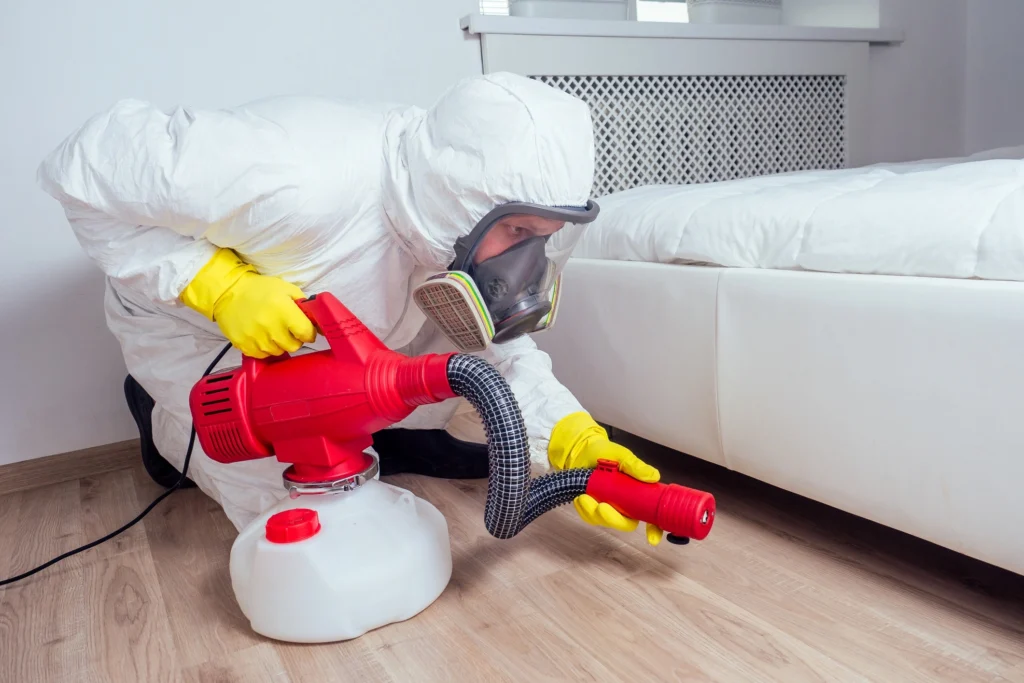
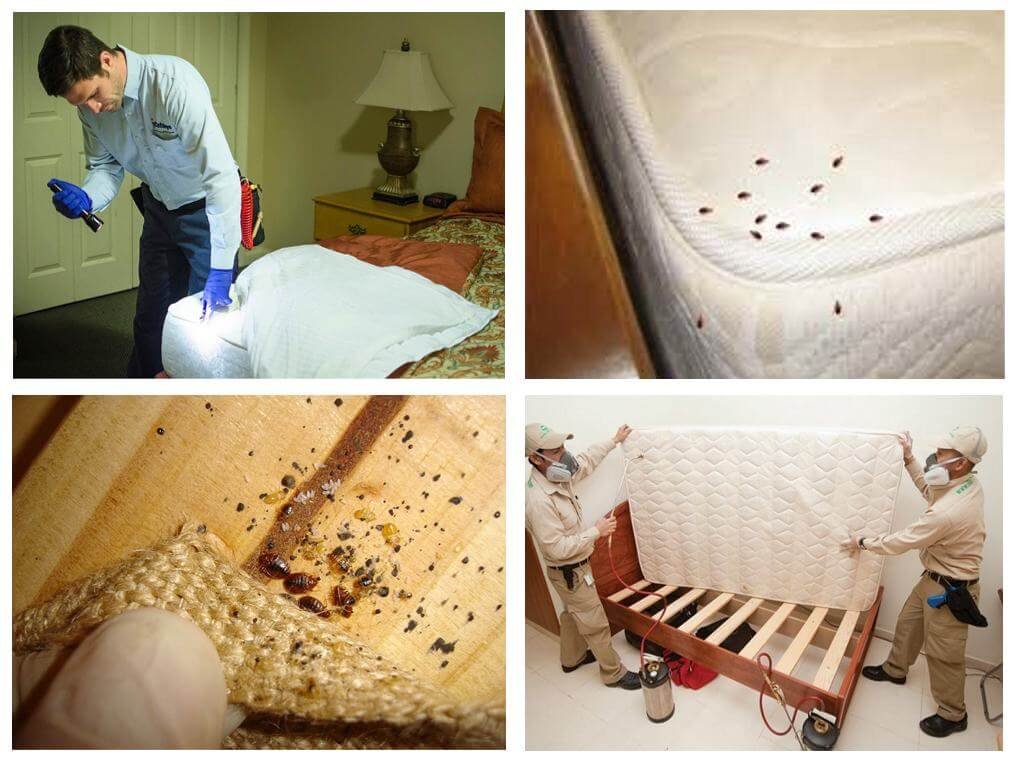
How We Deal With Bed Bugs
Bed bugs are the one job where doing it yourself almost always makes things worse. Shop-bought sprays are repellents — they don’t kill the eggs, and they push the survivors out of the bed frame and into the skirting, the carpet edge, the room next door. What started in one bedroom ends up spread across the flat.
So we start by finding the harbourage: mattress seams, bed frame joints, behind the headboard, under the carpet grippers, sometimes inside a bedside plug socket. Then we treat with residual insecticide and heat, and we come back — because eggs hatch after the first treatment and a single visit almost never finishes it.
Vehicles are unmarked and technicians arrive in plain clothing. Nobody passing the house will know what we’re there for. If you’re in a flat or a shared building, tell us — neighbouring rooms often need checking, and that’s better handled early.
Every Bed Bug Job Includes
- Full inspection of the room, not just the bed
- Treatment of frames, seams, skirting and carpet edges
- A second visit to deal with newly hatched eggs
- Written prep instructions before we arrive
- Discreet, unmarked vehicle
- Fixed price agreed before we start
Bed bugs treatment FAQs
Bites are the least reliable sign — some people don't react at all. Look at the mattress seam and the joints of the bed frame instead. Small dark spots like biro dots are the giveaway, along with shed skins that look like empty shells. Fleas bite mostly around the ankles and you'll usually have a pet. Bed bug bites tend to be on the arms, shoulders and back, often in a short line.
Almost never, and please don't drag it through the house before we've been — that's how they get into the hallway and the living room. A mattress can be treated and then kept in an encasement. If it's genuinely at the end of its life, wrap it in plastic before it leaves the room rather than after.
Two as standard, usually two to three weeks apart. Eggs aren't affected by the first treatment, so the second visit deals with whatever hatches afterwards. Heavier infestations, or flats where they've spread between rooms, sometimes need a third. We'll tell you which after the first inspection rather than at the end.
Strip the beds and wash the bedding at 60°C, then tumble dry it hot. Clear the floor around the beds and empty the bedside drawers. Don't start moving furniture between rooms or bagging things up randomly — that spreads them. You'll get written instructions when you book, and if anything on the list isn't practical, say so and we'll work round it.
No. Vehicles are unmarked and technicians arrive in plain clothing with equipment in cases. There's no signage and nothing on the paperwork left visible. Most people are more worried about the neighbours than the bugs, and that's fair enough — it's the single most common question we get asked.
Why people call us
- Fixed price agreed on the phone
- Same-day slots before midday
- Follow-up visit as standard
- 30-day re-treatment guarantee
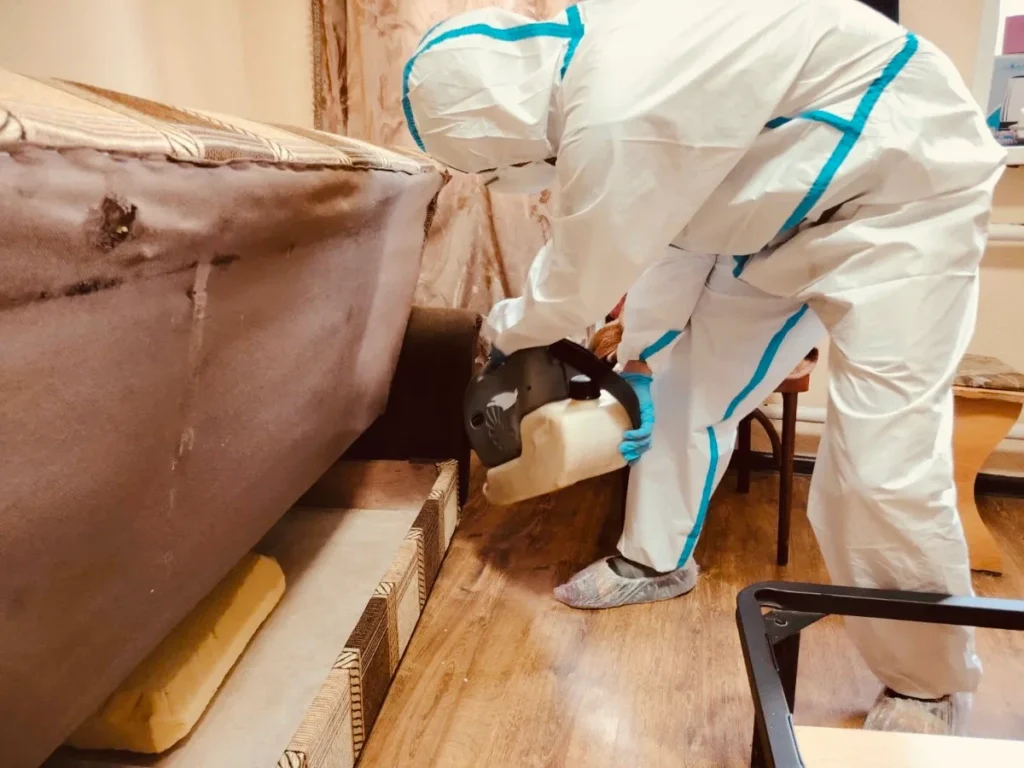

Think you've got bed bugs?
Send us a photo of the mattress seam or the bites and we'll tell you what it is before anyone comes out. Usually within the hour, and there's no charge for that.
Plenty of people message us at 2am about this. You're not the first and it says nothing about how clean your house is.