
Rat & Mouse Control
Scratching in the walls, droppings under the sink, holes in the lawn. We find how they’re getting in, deal with them, and come back to check it worked.
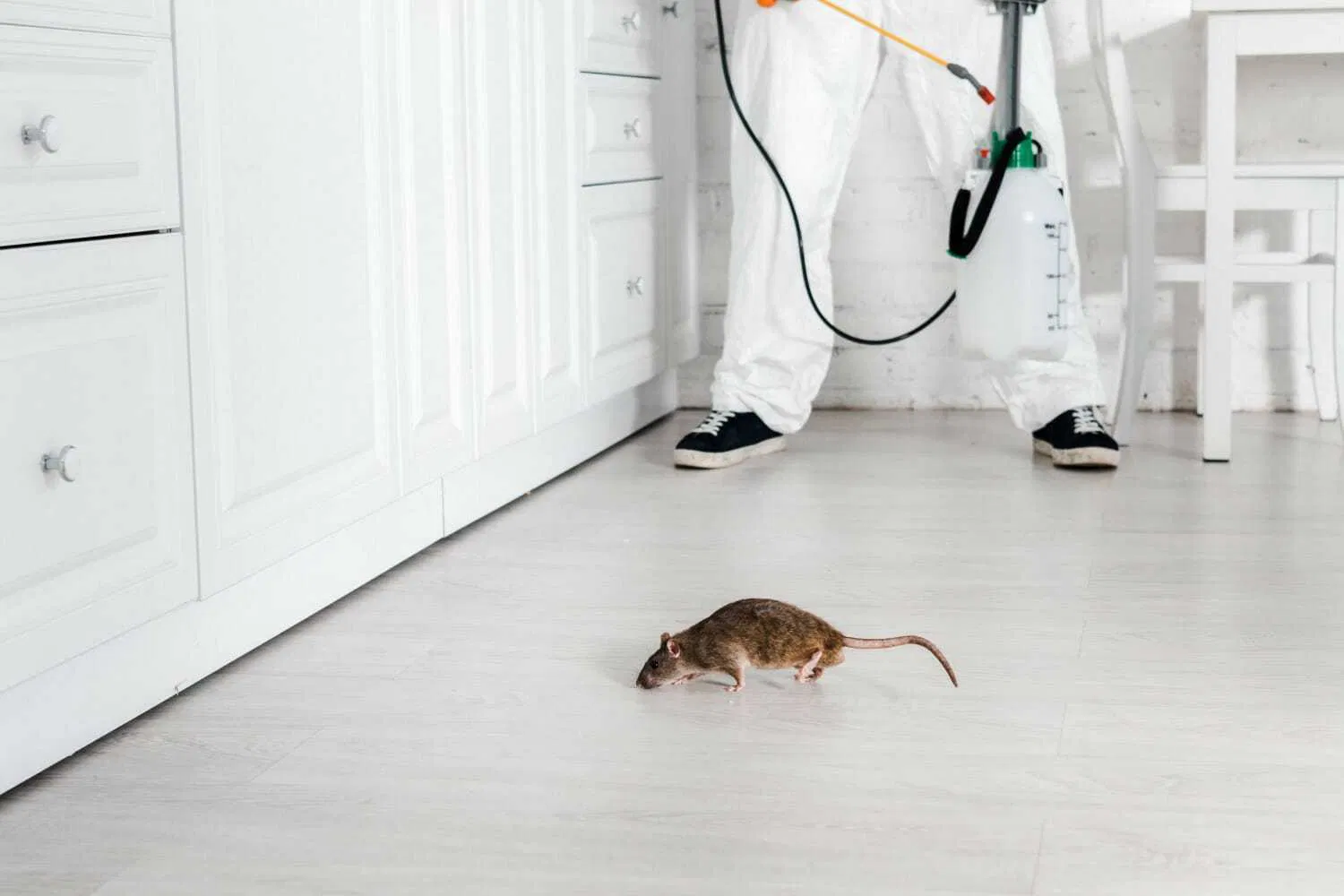
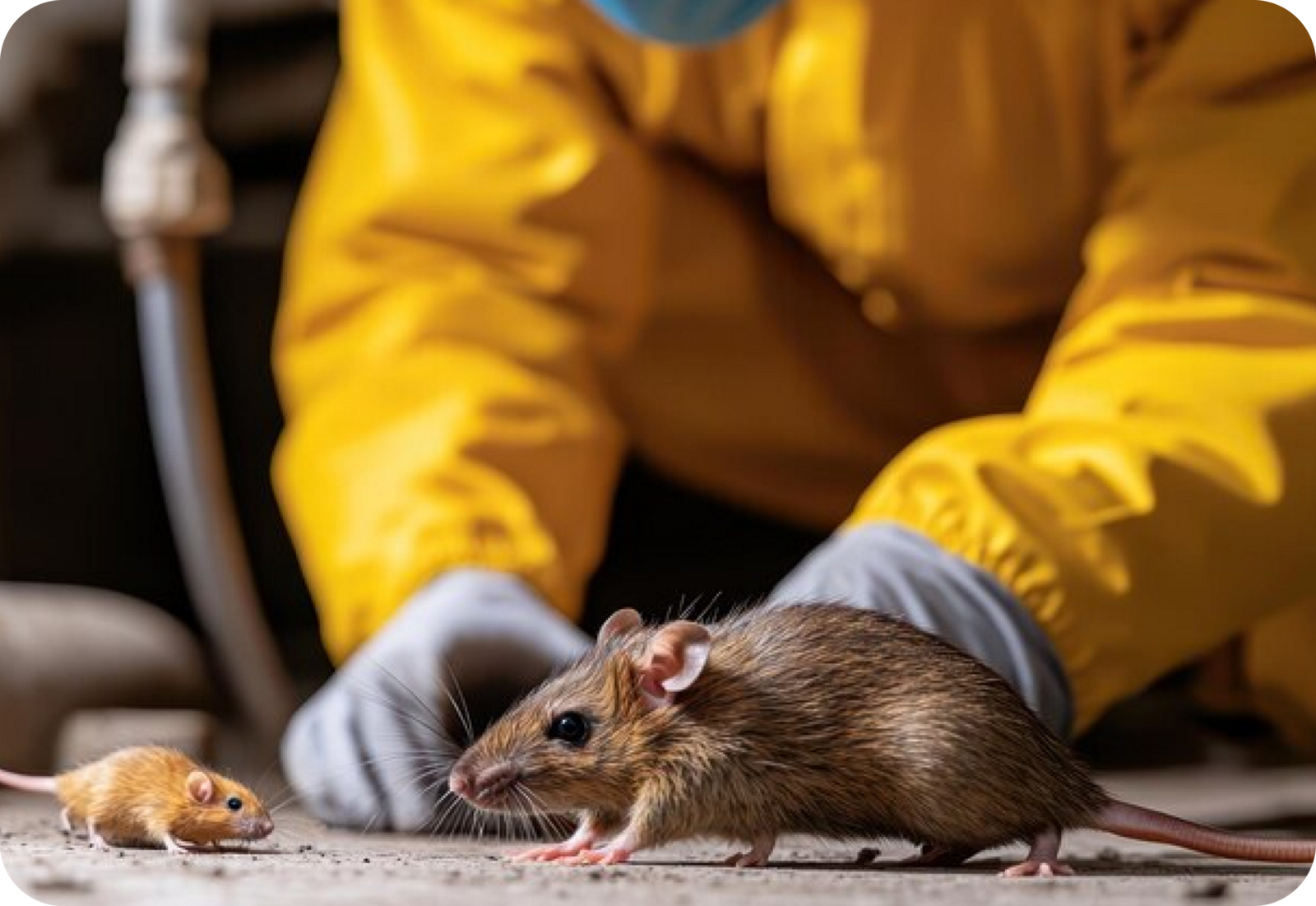
How we deal with rats and mice
Most rodent jobs go wrong for the same reason: someone puts down bait, the activity stops for a fortnight, and then it comes back. Bait deals with the rodents that are already inside. It does nothing about the gap they walked in through.
So the first visit is mostly looking. Under the decking, behind the kitchen units, along the cavity, up in the loft. A mouse gets through a 6mm gap, a rat through 25mm — about the width of a biro. We find those, we tell you where they are, and we deal with both ends of the problem.
Rodenticides are used under CRRU guidelines, in tamper-resistant stations, and only where they’re needed. If a property has children, pets or open access to wildlife, we’ll say so and work around it.
Every rodent job includes:
- Full inspection inside and out, not just where you've seen them
- Entry points identified and sealed
- Treatment appropriate to the property, not a default
- Return visit to confirm it's finished
- Written report of what we found and did
- 30-day guarantee
Rat and mouse control FAQs
Droppings are the giveaway. Mouse droppings are the size of a grain of rice, rats leave something closer to an olive stone. Rats also make a heavier, slower noise — you'll hear thumping or dragging overhead rather than the quick scuttling of mice. If you're not sure, take a photo of the droppings before you clear them up and we'll tell you over the phone.
Mice are usually done in two visits over two to three weeks. Rats often clear faster but need the entry point sealed properly, or they'll be back within the month. If a property backs onto fields or has a damaged drain, it can take longer — we'll tell you that at the first visit rather than halfway through.
Yes. Rodenticides go in tamper-resistant stations, placed where a child or a dog can't reach, and we log where every one of them is. If you'd rather avoid poison entirely, say so — trapping and proofing works, it just takes a bit longer. Tell us about pets, chickens or a fish pond before we start.
Not if the way in is sealed. That's why we don't just bait and leave. Every job includes finding the entry points and closing them, plus a return visit to confirm it's finished. If activity comes back within 30 days, we come back at no extra cost.
You can, but check what they actually offer. Norwich City Council and Broadland charge for rodent treatment on domestic properties, and waiting times can run to a couple of weeks in busy periods. If it's urgent, or the problem is in a food business, private is usually the faster route.
Why people call us
- Fixed price agreed on the phone
- Same-day slots before midday
- Follow-up visit as standard
- 30-day re-treatment guarantee

Not sure what you're dealing with?
Message us with what you've seen or heard and we'll tell you what it is and what it'll take to sort. Usually within the hour, and there's no charge for that.
Most people can't tell rats from mice, and it changes how the job gets done.